In a busy world, sleep is often the first thing we sacrifice, treated as wasted time to be trimmed in favour of work or screens. Yet sleep is one of the most active and important things the brain and body do. This article looks at the science of sleep and mental health, drawing on research by Xie and colleagues on how the sleeping brain clears itself, Yoo and colleagues on how sleep loss inflames the emotional brain, Baglioni and colleagues on the link between insomnia and depression, and Trauer and colleagues on what actually helps chronic sleeplessness. It explains what sleep does for the mind, why sleep and mental health are deeply intertwined, why so many of us struggle to sleep, and what gently improves it. Overall, it argues that sleep is not lost time but essential repair, and that protecting it is one of the kindest things we can do for our minds.
Keywords: sleep, mental health, insomnia, sleep hygiene, emotional regulation, depression, wellbeing
Introduction
We tend to treat sleep as an inconvenient pause, a stretch of lost hours we would gladly shorten if only we could. Late into the night we scroll, work or worry, quietly telling ourselves that sleep is where the day goes to be wasted. It is one of the most costly misunderstandings we carry.
Far from being lost time, sleep is when a great deal of essential work gets done. While we rest, the brain sorts memories, settles emotions and clears away the residue of the day, and the body sets about repairing itself. Sleep is not the opposite of a productive life. It is one of its foundations. This article looks at what sleep really does, why it is so tied to our mental health, and how to protect it.
What actually happens when you sleep
Sleep may look like doing nothing, but the sleeping brain is remarkably busy. Rather than switching off, it moves through repeated cycles of different stages, each with its own work to do.
One of the most striking discoveries in recent years concerns cleaning. In landmark research on the sleeping brain, scientists found that during sleep the space between brain cells widens and the brain flushes out metabolic waste that accumulates while we are awake, including proteins linked to long term brain health (Xie et al., 2013). In other words, part of what sleep does is take out the rubbish that a day of thinking leaves behind.
Sleep also helps lock in what we have learned, moving memories into longer term storage, and it plays an important role in processing the emotional experiences of the day. This is why a problem that felt overwhelming at midnight can feel more manageable after real rest. Sleep is, in a quiet and literal sense, repair.
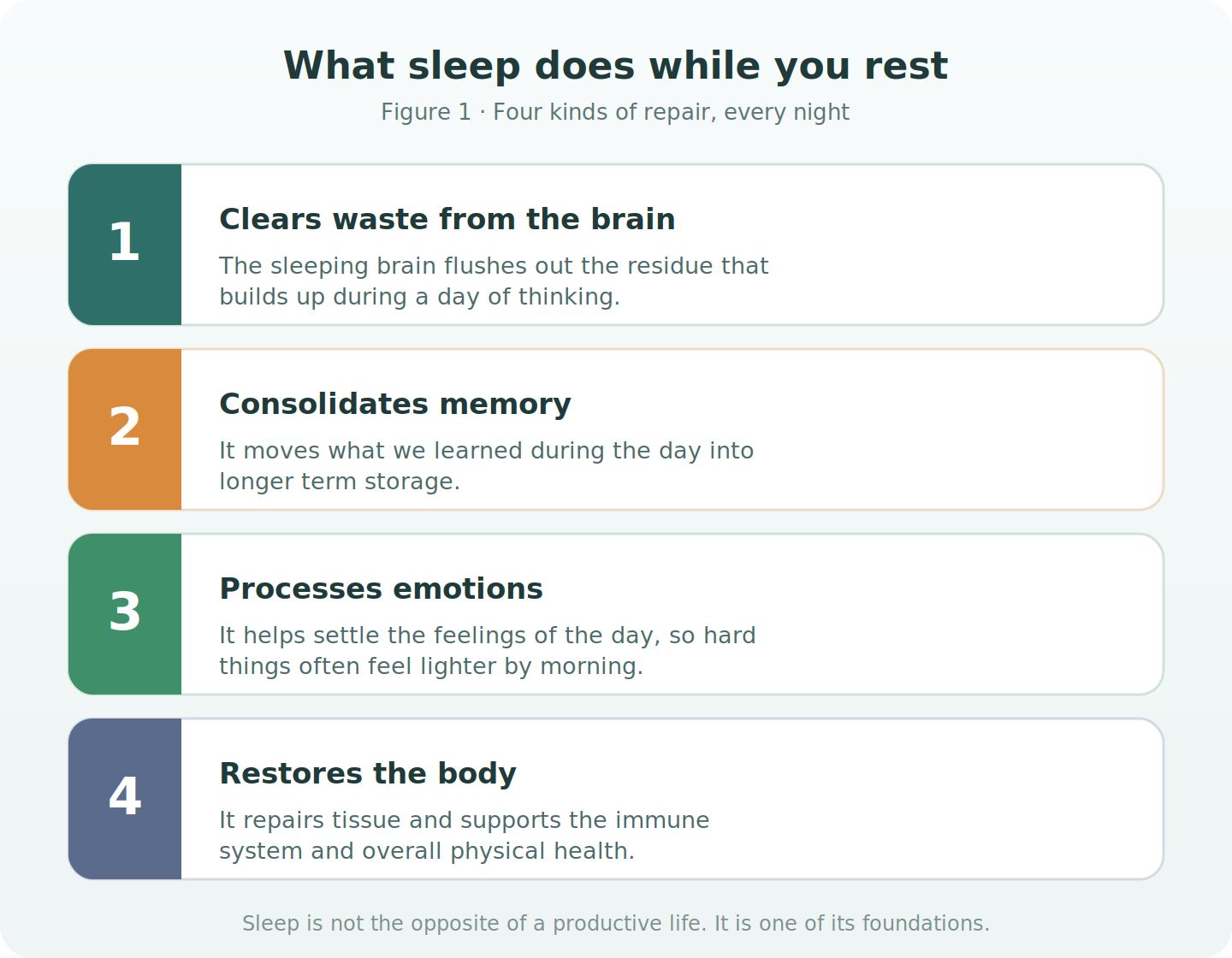
Figure 1. Four kinds of repair that happen while you sleep.
Sleep and the mind: a two way street
Sleep and mental health are so closely linked that it can be hard to say which affects which. In truth, the relationship runs in both directions.
When we lose sleep, the emotional brain becomes harder to steady. In one well known brain imaging study, people who were deprived of sleep showed a much stronger reaction in the amygdala, the brain's emotional alarm, to upsetting images, along with a weakened connection to the prefrontal regions that normally keep that alarm in check (Yoo et al., 2007). Tiredness, in other words, turns up the volume on difficult feelings and turns down our ability to manage them.
Over longer stretches, poor sleep does more than sour a mood. A large analysis of many studies found that people with insomnia who were not depressed had roughly twice the risk of going on to develop depression compared with those who slept well (Baglioni et al., 2011). At the same time, anxiety and low mood themselves disrupt sleep, which can create a discouraging loop. The hopeful side of this two way street is that caring for sleep is also caring for the mind.
Brain Insight: After a poor night, the brain's emotional alarm, the amygdala, becomes noticeably more reactive to negative events, while the calm, reasoning prefrontal cortex loses some of its steadying grip. This is one reason the very same problem can feel far heavier when we are tired than it does after real rest.
Why we struggle to sleep
If sleep matters so much, why is it so often hard to come by? Usually it is not one thing but several small ones. A mind that races with the day's unfinished business keeps the body on alert. Bright screens late at night signal to the brain that it is still daytime and delay the natural wind down. Irregular sleep and wake times confuse the body's internal clock. Caffeine, taken later than we realise, lingers for hours.
Perhaps the most self defeating pattern of all is worrying about sleep itself. Lying in bed anxious about not sleeping keeps us awake, which deepens the anxiety the next night. Understanding these ordinary causes is the first step, because most of them can be gently changed.
Building better sleep
Good sleep is less about trying harder and more about creating the right conditions and then getting out of the way. A few evidence informed habits help most people: keeping a consistent sleep and wake time, even on weekends, so the body's clock stays steady; giving yourself an unhurried wind down in the hour before bed; dimming lights and putting screens away as bedtime approaches; keeping the bedroom cool, dark and quiet; and being mindful of caffeine later in the day.
For those whose sleeplessness has become a persistent problem, there is genuinely good news. A structured, non medication approach called cognitive behavioural therapy for insomnia, or CBT-I, is now widely recommended as the first line treatment for chronic insomnia, and research shows it works and that its benefits tend to last (Trauer et al., 2015). Lasting help for sleep is available, and it does not have to begin with a pill.
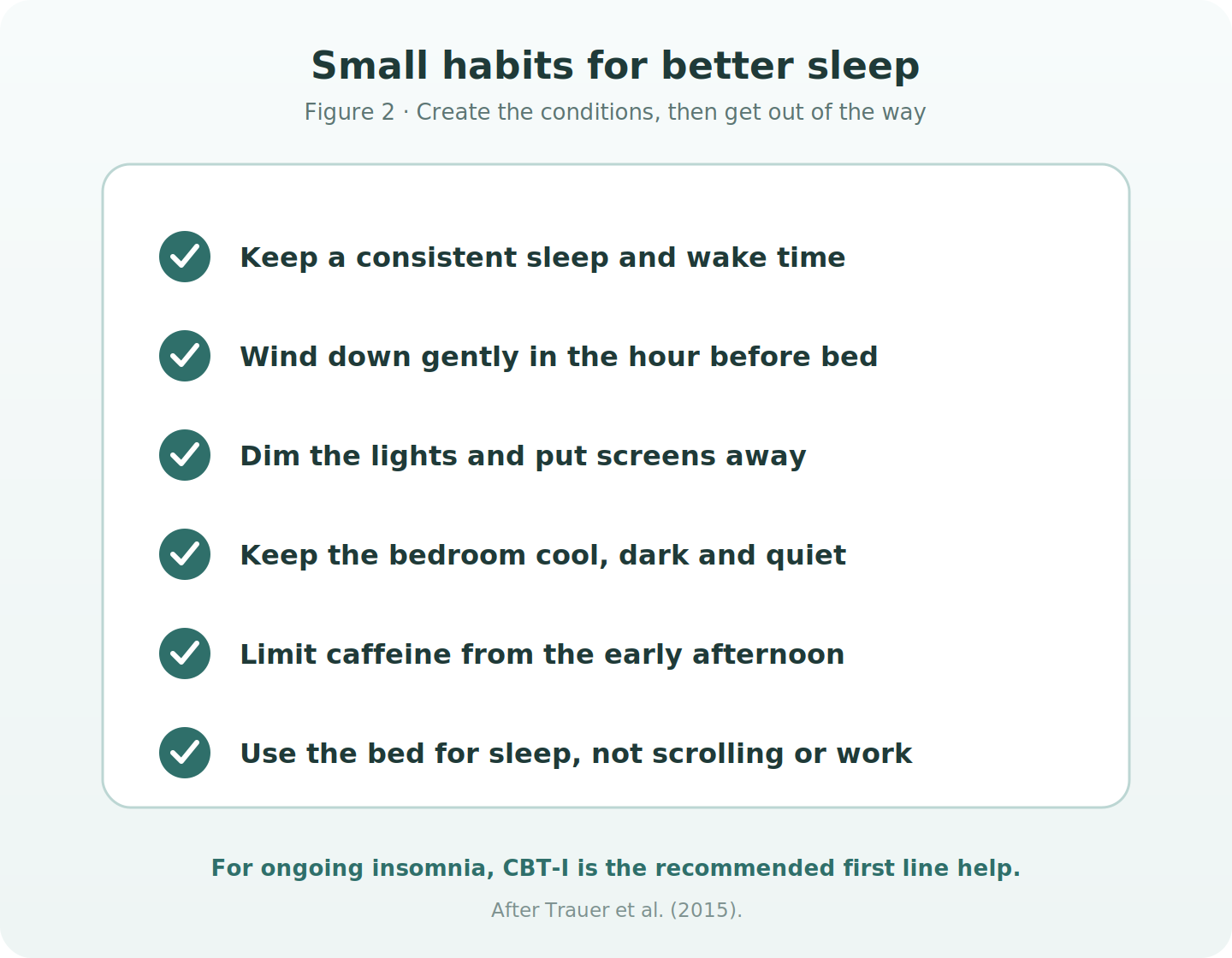
Figure 2. Small, gentle habits that help sleep come more easily.
When to seek professional support
It is worth speaking with a qualified professional when sleep problems persist for several weeks despite your best efforts, when poor sleep is clearly affecting your mood, concentration, work or relationships, when you notice signs that may point to a sleep disorder such as loud snoring with pauses in breathing, or when difficult sleep goes hand in hand with low mood, anxiety or any thoughts of harming yourself. A doctor can look for underlying causes, and effective help, including CBT-I, is available. Sleep troubles are common and treatable, and seeking support for them is a sensible act of self care.
The SADHNAM Perspective
There is an old wisdom in treating rest as sacred rather than as time stolen from doing. Alongside evidence based approaches, gentle practices such as an unhurried evening routine, mindful breathing and letting go of the day can help the body feel safe enough to rest. At SADHNAM we see sleep not as a luxury to be earned after everything else is done, but as a foundation that makes everything else possible. These practices are meant to complement, and never to replace, professional care when sleep problems persist.
A reflection from the Bhagavad Gita
युक्तस्वप्नावबोधस्य · Yukta-svapnāvabodhasya (Bhagavad Gita 6.17) This phrase is often interpreted as describing a person who is balanced in sleep and wakefulness, as well as in food and activity, and for whom such balance becomes a reliever of sorrow. It belongs to a spiritual and philosophical tradition rather than to psychological science, and it does not prove any modern theory. Yet its emphasis on balanced, regulated rest resonates gently with what research tells us about the value of steady, sufficient sleep. Rather than presenting scripture as scientific evidence, we offer it here as a philosophical reflection that may enrich personal understanding.
A Moment of Practice
The two minute SADHNAM exercise. A short practice you will find at the close of every article in this series. This week, a simple wind down for the hour before bed.
- About an hour before bed, dim the lights and gently set your screens aside.
- Choose one calm, repetitive activity, such as light reading, easy stretching or slow breathing, and let it signal to your body that the day is ending.
- If your mind is busy, write tomorrow's worries and tasks on a piece of paper, setting them down so you need not hold them through the night.
- Keep your wake up time steady, even after a difficult night.
- As you lie down, let the bed be only for rest, and trust that sleep tends to come more easily once we stop chasing it.
This is not about forcing sleep, which never works. It is about gently creating the conditions in which rest can arrive on its own.
Key messages
Key Messages
- Sleep is not lost time; it is active repair for the brain and body.
- While you sleep, the brain clears waste, stores memories and settles emotions.
- Sleep and mental health affect each other in both directions.
- Poor sleep amplifies difficult emotions and, over time, raises the risk of depression.
- Gentle, consistent habits help, and for lasting insomnia CBT-I is an effective first line treatment.
- Persistent sleep problems deserve professional support, which is available and often works.
Questions for reflection
Take a quiet moment with these. They are meant not to test you but to help you rest a little more kindly.
- How do I usually treat sleep, as a priority or as the first thing I sacrifice?
- What is one habit in my evening that might be quietly disrupting my sleep?
- How does a poor night's sleep tend to affect my mood the next day?
- What is one small change I could make to my wind down tonight?
References
Baglioni, C., Battagliese, G., Feige, B., Spiegelhalder, K., Nissen, C., Voderholzer, U., Lombardo, C., & Riemann, D. (2011). Insomnia as a predictor of depression: A meta-analytic evaluation of longitudinal epidemiological studies. Journal of Affective Disorders, 135(1–3), 10–19. https://doi.org/10.1016/j.jad.2011.01.011
Trauer, J. M., Qian, M. Y., Doyle, J. S., Rajaratnam, S. M. W., & Cunnington, D. (2015). Cognitive behavioral therapy for chronic insomnia: A systematic review and meta-analysis. Annals of Internal Medicine, 163(3), 191–204. https://doi.org/10.7326/M14-2841
Xie, L., Kang, H., Xu, Q., Chen, M. J., Liao, Y., Thiyagarajan, M., O'Donnell, J., Christensen, D. J., Nicholson, C., Iliff, J. J., Takano, T., Deane, R., & Nedergaard, M. (2013). Sleep drives metabolite clearance from the adult brain. Science, 342(6156), 373–377. https://doi.org/10.1126/science.1241224
Yoo, S. S., Gujar, N., Hu, P., Jolesz, F. A., & Walker, M. P. (2007). The human emotional brain without sleep: A prefrontal amygdala disconnect. Current Biology, 17(20), R877–R878. https://doi.org/10.1016/j.cub.2007.08.007
Further reading
For readers who wish to explore sleep and wellbeing through trusted sources:
- Walker, M. P. (2017). Why we sleep: Unlocking the power of sleep and dreams. Scribner.
- Sleep Foundation, sleep and mental health. https://www.sleepfoundation.org
- American Academy of Sleep Medicine, patient resources. https://sleepeducation.org
Disclaimer
This article is intended for general educational purposes only. It does not constitute a diagnosis, treatment, or a substitute for professional medical or psychological advice. If sleep problems are affecting your wellbeing, please consult a qualified professional. For personal guidance shaped around your own situation, you can book a consultation through SADHNAM.
If poor sleep goes together with persistent distress, severe low mood, or any thoughts of harming yourself, please seek support from a qualified mental health professional or your local emergency services, or contact a mental health helpline such as Tele MANAS in India at 14416. You do not have to face it alone.