
Anxiety is the most common form of mental distress in the world, and also one of the most misunderstood. It feels like danger, yet very often it is a false alarm, a protective system firing when there is no real threat. This article takes a deeper look at anxiety than an introduction allows, drawing on the cognitive understanding of anxiety and panic developed by Clark and Beck, Clark's model of panic as the misreading of bodily sensations, and the meta-analysis by Hofmann and Smits on what treatment actually helps. It explains what anxiety is and what it is for, how the worry cycle keeps it going, how avoidance quietly feeds it, what a panic attack really is, and why gently facing our fears rather than fleeing them is the path out. Overall, it argues that we cannot simply switch the alarm off, but we can learn to read it, and in doing so we can loosen its hold.
Keywords: anxiety, worry, avoidance, panic, exposure, cognitive behavioural therapy, wellbeing
Introduction
Anxiety can feel like standing in a burning building. The heart pounds, the mind races, the body screams that something is terribly wrong and that we must act now. And yet, so often, there is no fire. The smoke detector has simply gone off in a quiet kitchen.
This is the strange truth about anxiety. It is a real and powerful experience produced by a protective system that is, much of the time, mistaken. We cannot rip the alarm out, and we would not want to, because sometimes there really is a fire. But we can learn to read it, to tell a genuine warning from a false one, and in doing so we can take back a great deal of the ground that anxiety tends to claim. This article is about learning to read the alarm.
What anxiety is, and what it is for
Anxiety is not a flaw. It is a survival system, older than our species, designed to protect us from danger. When the brain senses a threat, it triggers the fight or flight response we explored in the first article of this series, flooding the body with energy to face the danger or escape it. In the right moment, this is life saving.
The difficulty is that this system evolved to err on the side of caution. Like an oversensitive smoke detector, it would rather sound a hundred false alarms than miss a single real fire. That trade off kept our ancestors alive, but in modern life it means the alarm often fires at things that cannot actually harm us, such as an email, a social gathering or an intrusive thought. Anxiety becomes a difficulty worth addressing when it is persistent, out of proportion to the situation, and begins to interfere with daily life. In that form it is remarkably common, and anxiety disorders are the most widespread group of mental health conditions in the world, affecting an estimated three hundred million people (World Health Organization, 2023).
The worry cycle
For many people, anxiety lives in the form of worry, the endless stream of what if questions that the mind spins out. What if I fail, what if they are angry, what if something goes wrong. Worry can feel like a form of problem solving, as though by rehearsing every disaster we might somehow prevent it.
In reality, worry is usually an attempt to gain certainty in a world that offers none, and it tends to feed on itself. A trigger sparks an anxious thought, the thought produces physical sensations and more worry, and to relieve the discomfort we avoid the situation or seek reassurance. That brings a moment of relief, which quietly teaches the brain that the worry was justified, and so the whole cycle grows a little stronger for next time.
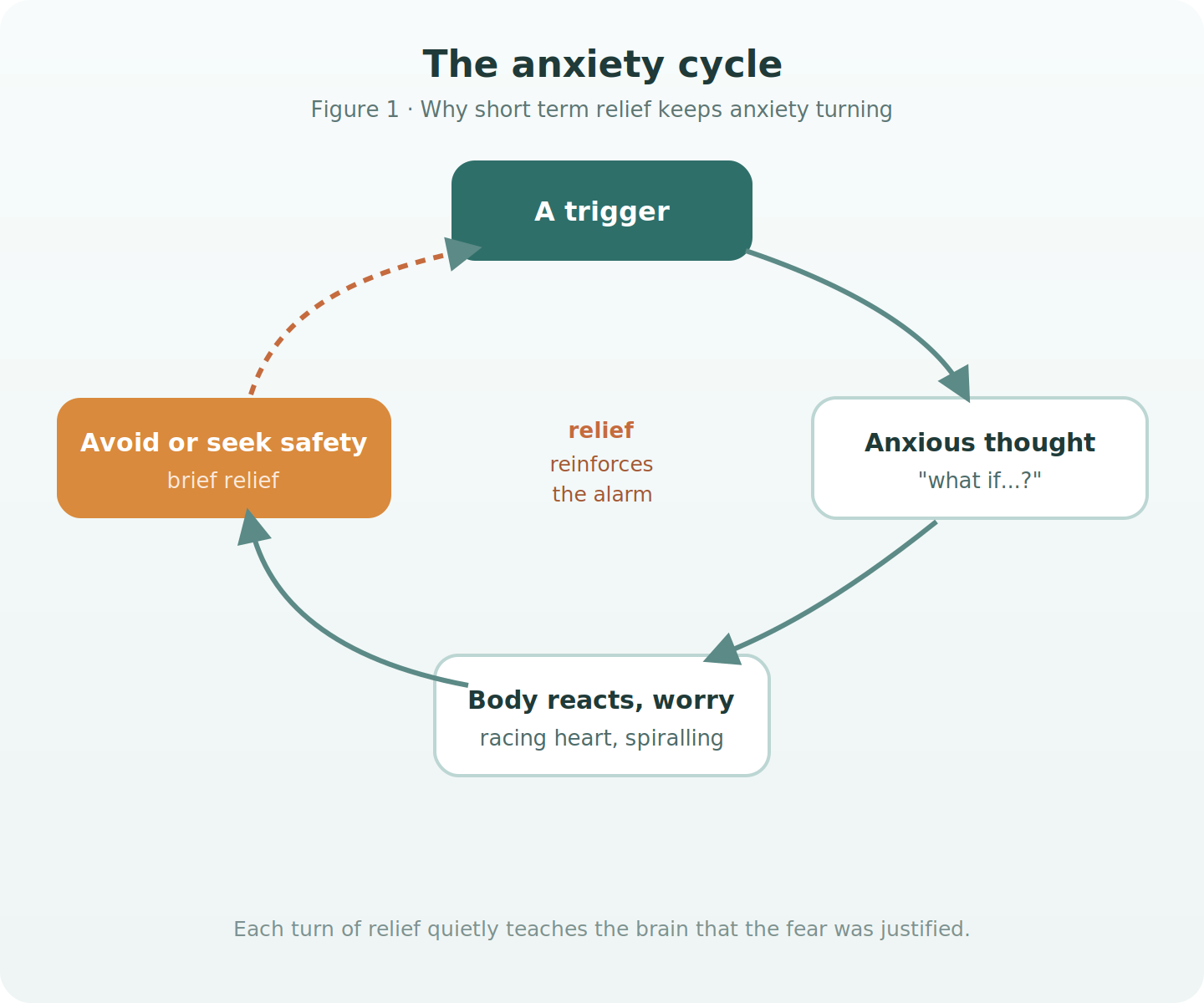
Figure 1. The anxiety cycle. Short term relief is exactly what keeps it turning.
At a glance: common physical signs of anxiety
A racing heart, sweating, trembling, a tight chest, fast breathing, dizziness and an upset stomach. These are the body's alarm system at work, not signs that something is physically wrong with you.
How avoidance quietly feeds anxiety
At the very centre of that cycle sits avoidance, and it is worth understanding well, because it is both the most natural response to fear and the one that keeps fear alive.
When we avoid something we are anxious about, we feel immediate relief, and relief feels like the right answer. But in that moment the brain quietly draws a lesson: the danger was real, and avoiding it kept us safe. The fear is never given the chance to be proven wrong. So the feared situation looms even larger next time, and slowly our world shrinks to fit the shape of what we are willing to face. Avoidance is a loan taken against the future. It soothes today and charges heavy interest tomorrow.
Avoidance does not always mean staying away completely. Sometimes people rely instead on what are called safety behaviours, such as repeatedly checking a phone, carrying unnecessary medicines, sitting near the exit or constantly seeking reassurance. These small habits ease anxiety for a moment, but because they let us believe we only coped thanks to the crutch, they quietly keep the false alarm alive in much the same way that outright avoidance does.
Brain Insight: Each time we escape something we fear, the brain's alarm system is reinforced rather than corrected, because it never gets to discover that the feared outcome did not happen. Gently approaching what we fear, and staying long enough to see that we are safe, is how the brain finally updates the alarm.
Panic, explained simply
A panic attack is anxiety at its most intense and frightening. It can arrive with a racing heart, breathlessness, dizziness and a sense of losing control or even dying. Because the sensations are so strong, many people believe they are having a medical emergency.
The psychologist David Clark offered a clear explanation of what is often happening (Clark, 1986). A panic attack frequently begins with a perfectly normal bodily sensation, such as a slightly faster heartbeat. If that sensation is catastrophically misread as a sign that something is terribly wrong, fear rises, which produces more intense sensations, which are read as further proof of danger, and a rapid upward spiral takes hold. The crucial and reassuring point is that a panic attack, however terrifying, is not dangerous in itself. It is the body's alarm at full volume, and like all alarms it peaks and then subsides.
Facing gently rather than fleeing
If avoidance feeds anxiety, then the way out, perhaps surprisingly, is to turn gently toward what we fear rather than away from it. This does not mean forcing yourself through terror by sheer willpower. It means approaching feared situations gradually and with support, staying long enough to let the alarm settle, so that the brain can learn what avoidance never let it discover: that the feared thing was survivable after all.
This is the heart of the most effective psychological treatment for anxiety. A large review of high quality trials found that cognitive behavioural therapy, which combines changing anxious thinking with gradual, guided facing of fears, is genuinely effective across the range of anxiety disorders (Hofmann & Smits, 2008). The alarm may never disappear entirely, but we can learn to hear it without obeying its every command.
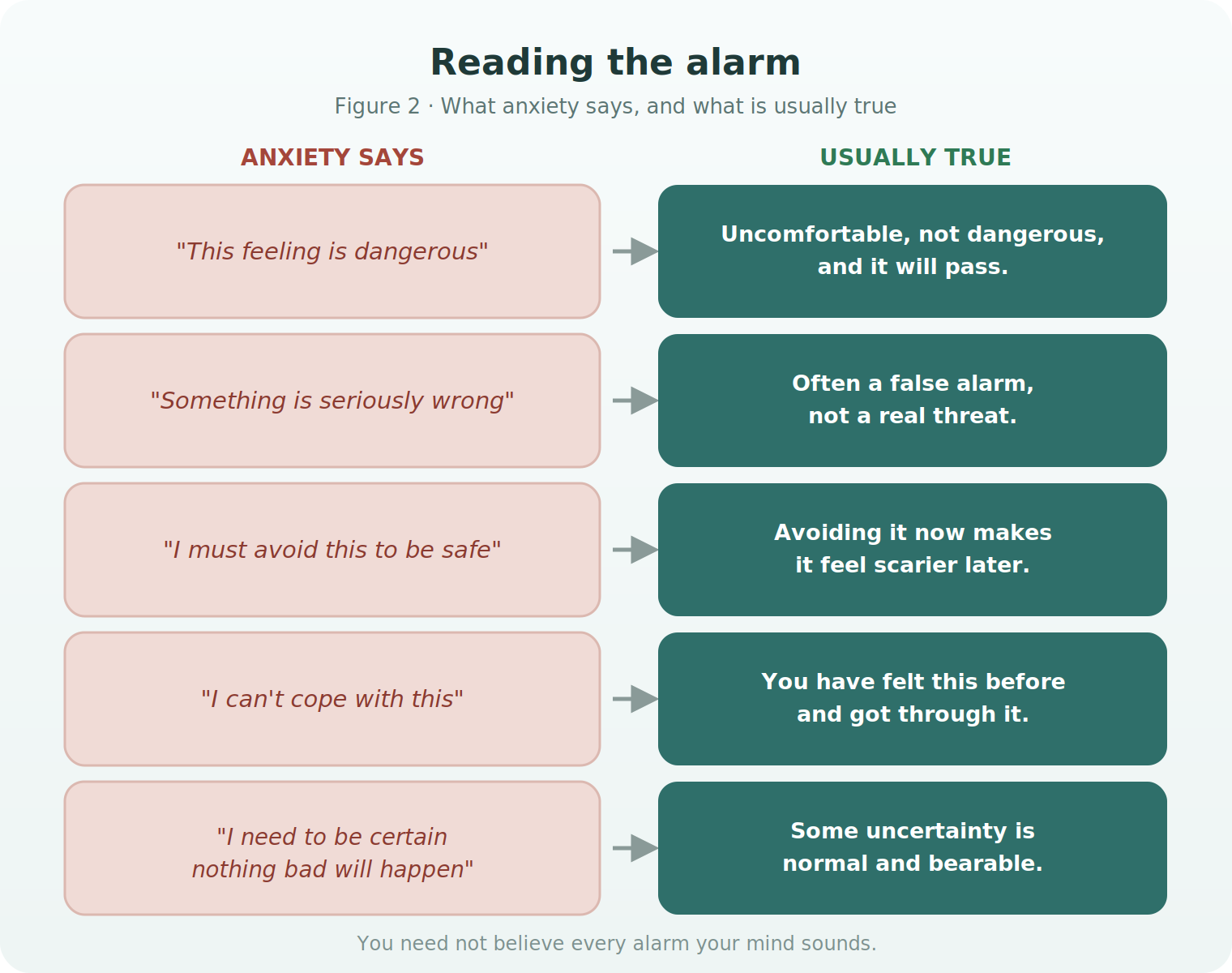
Figure 2. Learning to answer the alarm with a calmer, truer voice.
When to seek professional support
It is worth reaching out to a qualified professional when anxiety is frequent, intense or out of proportion to events, when it interferes with your work, studies, relationships or daily life, when you are avoiding more and more to keep it at bay, when panic attacks are recurring, or whenever anxiety comes with low mood or any thoughts of harming yourself. Anxiety is highly treatable, and effective help, including therapy and sometimes medication, is available. Seeking support is not giving in to anxiety. It is learning, with guidance, to read the alarm.
The SADHNAM Perspective
The anxious mind is a restless mind, forever leaping to a feared future. Alongside evidence based approaches, gentle practices such as mindful breathing, grounding in the present, and a patient, non judgemental relationship with our own fear can help us meet anxiety with steadiness rather than panic. At SADHNAM we see this not as silencing the anxious mind by force, but as training it gently, over time, to trust that this moment is usually safe. These practices are meant to complement, and never to replace, professional care when anxiety is severe or persistent.
A reflection from the Bhagavad Gita
अभ्यासेन तु कौन्तेय वैराग्येण च गृह्यते · Abhyasena tu kaunteya vairagyena cha grihyate (Bhagavad Gita 6.35) In this passage, when Arjuna calls the mind as restless and hard to hold as the wind, the reply is that it can nonetheless be steadied through practice and gentle non attachment. It belongs to a spiritual and philosophical tradition rather than to psychological science, and it does not prove any modern theory. Yet its image of a restless mind gradually steadied through patient practice resonates gently with what research tells us about calming anxiety over time. Rather than presenting scripture as scientific evidence, we offer it here as a philosophical reflection that may enrich personal understanding.
A Moment of Practice
The two minute SADHNAM exercise. A short practice you will find at the close of every article in this series. This week, a five senses grounding for anxious moments.
- When anxiety begins to rise, gently bring your attention out of your thoughts and into the present through your senses.
- Notice five things you can see around you.
- Then four things you can feel, such as your feet on the floor or the air on your skin.
- Then three things you can hear.
- Then two things you can smell, and finally one thing you can taste, or simply one slow breath.
- Let this quietly anchor you here, in the present moment, where the feared thing is usually not happening.
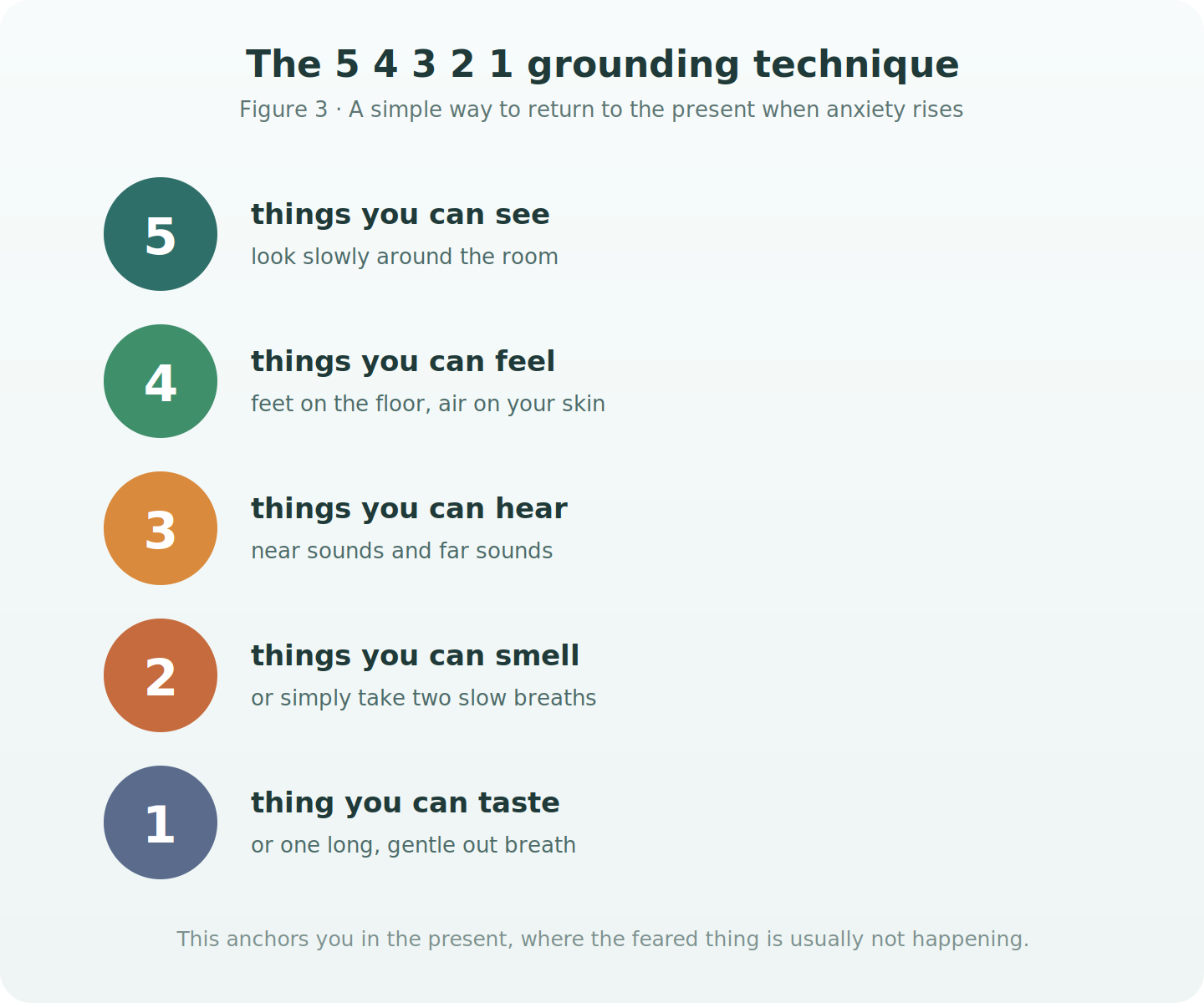
Figure 3. A simple grounding technique you can use anywhere, anytime anxiety rises.
This does not fight the anxiety, which only feeds it. It gently reminds the mind where you actually are, which is almost always somewhere safe.
Key messages
Key Messages
- Anxiety is a protective alarm that often fires when there is no real danger.
- It becomes a difficulty when it is persistent, excessive and disrupts daily life.
- Worry feels like problem solving but usually just feeds the anxiety cycle.
- Avoidance brings short term relief while making fear grow over time.
- A panic attack is intensely unpleasant but not dangerous, and it always passes.
- Gently facing fears, often with professional help, is the effective path out.
Questions for reflection
Take a quiet moment with these. They are meant not to test you but to help you read your own alarm a little better.
- What situations tend to set off my anxiety most often?
- What do I usually do to feel safe, and does it help in the long run or only for a moment?
- When I look back, how often did the thing I feared actually happen?
- What is one small fear I could gently and safely face this week?
References
Clark, D. M. (1986). A cognitive approach to panic. Behaviour Research and Therapy, 24(4), 461–470. https://doi.org/10.1016/0005-7967(86)90011-2
Clark, D. A., & Beck, A. T. (2010). Cognitive therapy of anxiety disorders: Science and practice. Guilford Press.
Hofmann, S. G., & Smits, J. A. J. (2008). Cognitive-behavioral therapy for adult anxiety disorders: A meta-analysis of randomized placebo-controlled trials. Journal of Clinical Psychiatry, 69(4), 621–632. https://doi.org/10.4088/jcp.v69n0415
World Health Organization. (2023). Anxiety disorders [Fact sheet]. https://www.who.int/news-room/fact-sheets/detail/anxiety-disorders
Further reading
For readers who wish to explore anxiety through trusted sources:
- World Health Organization, Anxiety disorders. https://www.who.int/news-room/fact-sheets/detail/anxiety-disorders
- National Institute of Mental Health, Anxiety disorders. https://www.nimh.nih.gov/health/topics/anxiety-disorders
- Anxiety and Depression Association of America. https://adaa.org
Disclaimer
This article is intended for general educational purposes only. It does not constitute a diagnosis, treatment, or a substitute for professional medical or psychological advice. If anxiety is affecting your daily life, please consult a qualified professional. For personal guidance shaped around your own situation, you can book a consultation through SADHNAM.
If anxiety feels unbearable, or comes with severe distress or any thoughts of harming yourself, please seek support from a qualified mental health professional or your local emergency services, or contact a mental health helpline such as Tele MANAS in India at 14416. You do not have to face it alone.