A Traditional Food with Contemporary Relevance
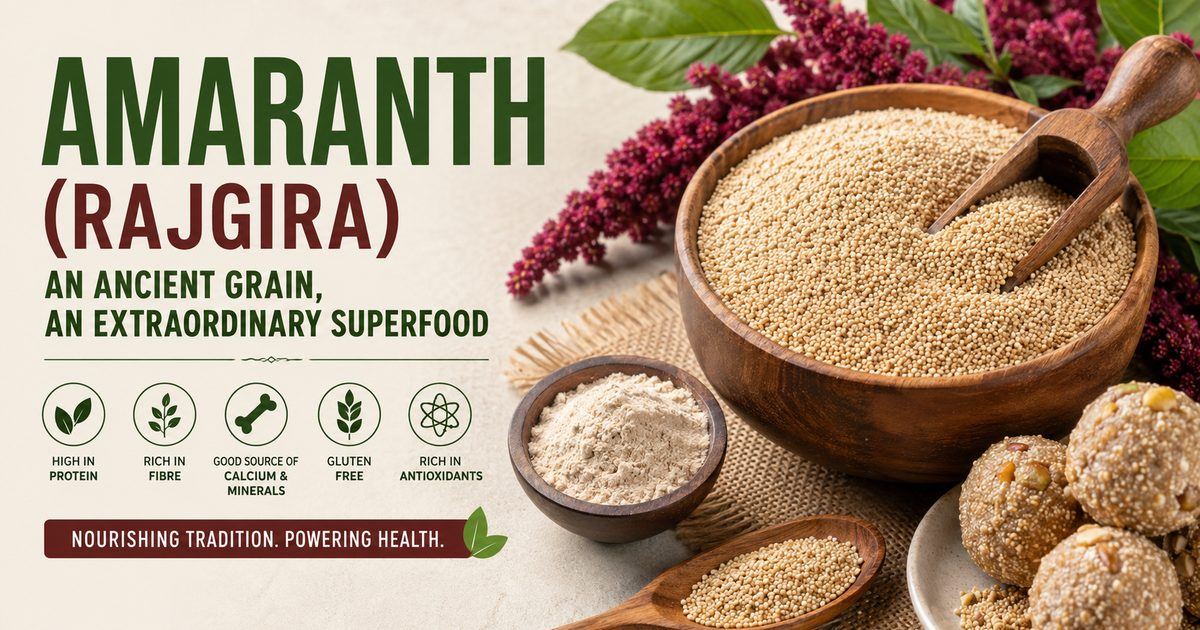
Amaranth, commonly known as Rajgira in India, is one of the oldest cultivated pseudocereals in human history. Although often grouped with grains, botanically it is not a true cereal. For centuries, it has been valued across different cultures for its exceptional nutritional profile, resilience, and versatility. In India, Rajgira has traditionally been consumed during fasting periods, yet its nutritional benefits extend far beyond ritual use.
Today, as interest in nutrient-dense and naturally gluten-free foods continues to grow, amaranth has emerged as an important component of evidence-based nutrition. Rich in high-quality protein, dietary fibre, essential minerals, and bioactive compounds, it can support a balanced diet across different stages of life.
Nutritional Composition
Amaranth is distinguished by its unusually balanced nutrient profile compared with many common cereals.
Per 100 grams of uncooked amaranth (approximate values):
| NutrientAmount | |
| Energy | 371 kcal |
| Protein | 13–14 g |
| Carbohydrates | 65–66 g |
| Dietary Fibre | 6–7 g |
| Fat | 7 g |
| Calcium | 159 mg |
| Iron | 7–8 mg |
| Magnesium | 248 mg |
| Phosphorus | 557 mg |
| Potassium | 508 mg |
| Folate | 82 µg |
Its protein quality is particularly noteworthy because it contains relatively high amounts of lysine, an essential amino acid that is generally limited in most cereal grains.
Why Amaranth Is Considered Nutritionally Valuable
Unlike refined grains that primarily provide carbohydrates, amaranth delivers multiple nutrients simultaneously. It combines plant protein with fibre, healthy fats, minerals, antioxidants, and micronutrients in a single food source.
The grain also contains naturally occurring compounds including:
- Phenolic antioxidants
- Flavonoids
- Tocopherols (Vitamin E compounds)
- Plant sterols
- Squalene
These compounds contribute to its antioxidant potential and may support overall metabolic health.
Potential Health Benefits
Supports Muscle Maintenance
Protein plays an essential role in tissue repair and muscle maintenance. Because amaranth contains relatively high-quality plant protein, it can contribute to daily protein intake, particularly for vegetarians and individuals following predominantly plant-based diets.
Promotes Digestive Health
The dietary fibre present in amaranth supports normal bowel function, may improve satiety, and contributes to a healthy gut microbiome. Diets rich in fibre are associated with improved digestive health and better long-term metabolic outcomes.
Supports Bone Health
Amaranth provides calcium, magnesium, and phosphorus, three minerals involved in maintaining healthy bones and teeth. Although no single food determines bone health, including mineral-rich foods as part of a balanced diet may help meet nutritional requirements.
Helps Maintain Healthy Iron Intake
Iron is necessary for oxygen transport and normal energy metabolism. Amaranth contains more iron than many commonly consumed cereal grains, making it a useful contributor to dietary iron intake when consumed alongside vitamin C-rich foods that enhance absorption.
May Support Heart Health
Research suggests that diets rich in whole grains, fibre, and plant-based foods are associated with improved cardiovascular health. Amaranth contains dietary fibre, unsaturated fats, magnesium, and plant sterols, all of which may contribute to maintaining healthy cholesterol and blood pressure when included within an overall balanced dietary pattern.
Supports Blood Sugar Management
Because of its fibre and protein content, amaranth may produce a slower post-meal rise in blood glucose compared with many refined carbohydrate sources. Portion size and overall dietary pattern remain important for individuals living with diabetes.
Naturally Gluten-Free
Amaranth does not naturally contain gluten. It can therefore serve as an alternative grain for individuals with medically diagnosed coeliac disease or non-coeliac gluten sensitivity, provided the product is certified gluten-free and free from cross-contamination.
Who May Benefit from Including Amaranth?
Amaranth can be incorporated into balanced diets for:
- Children during growth
- Adolescents
- Older adults
- Athletes
- Vegetarians and vegans
- Pregnant women (as part of professional dietary guidance)
- Individuals seeking higher dietary fibre intake
- People following gluten-free diets
Culinary Uses
Amaranth is remarkably versatile and can be prepared in multiple ways.
It may be used as:
- Porridge for breakfast
- Flour for rotis and flatbreads
- Khichdi
- Salads
- Soups
- Energy bars
- Popped grain snacks
- Smoothie bowls
- Traditional Rajgira laddus and chikkis (best consumed in moderation because of added sweeteners)
Practical Tips
Combining amaranth with legumes such as lentils or chickpeas further improves the overall amino acid profile of a meal. Pairing it with vegetables rich in vitamin C can also enhance iron absorption. Like all grains, amaranth should ideally be part of a varied dietary pattern rather than consumed as the sole staple.
Safety Considerations
Amaranth is considered safe for most healthy individuals when consumed as part of a balanced diet. People with kidney disease or those following medically prescribed low-mineral diets should consult their healthcare professional before making substantial dietary changes because amaranth naturally contains relatively high amounts of phosphorus and potassium.
Conclusion
Amaranth represents an excellent example of how traditional foods continue to hold significant relevance in modern nutrition. Its combination of high-quality plant protein, dietary fibre, essential minerals, antioxidants, and naturally gluten-free characteristics makes it a valuable addition to diverse dietary patterns.
While no single food can prevent or treat disease, regularly including nutrient-rich whole foods such as amaranth within a balanced lifestyle may contribute to improved nutritional adequacy and long-term health. As nutrition science increasingly recognises the importance of minimally processed, plant-based foods, Rajgira remains one of the most nutritionally impressive ancient grains available today.
Medical Disclaimer
This article is intended for educational purposes only and should not be considered medical advice. Individuals with medical conditions, food allergies, coeliac disease, kidney disorders, or specific nutritional requirements should consult a qualified physician or registered dietitian before making significant dietary changes.